Looking for the best USB microphone for streaming? A useful streaming mic makes it easy to capture a clear voice, set the recording level and keep headphones or controls within reach. The right choice also fits the desk and the way the microphone will be positioned.
For a rap-vocal recording requirement rather than a streaming-only setup, compare Mic for Rap Vocals.
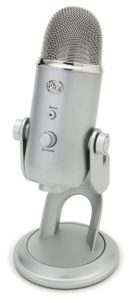
These five established USB microphones offer different combinations of pickup patterns, direct headphone monitoring and physical controls. The Blue Yeti remains the overall pick for flexibility; the alternatives are worth considering when a simpler layout or a more portable setup matters more.
Best USB Microphones for Streaming and Gaming
Audio-Technica AT2020USB+ Microphone
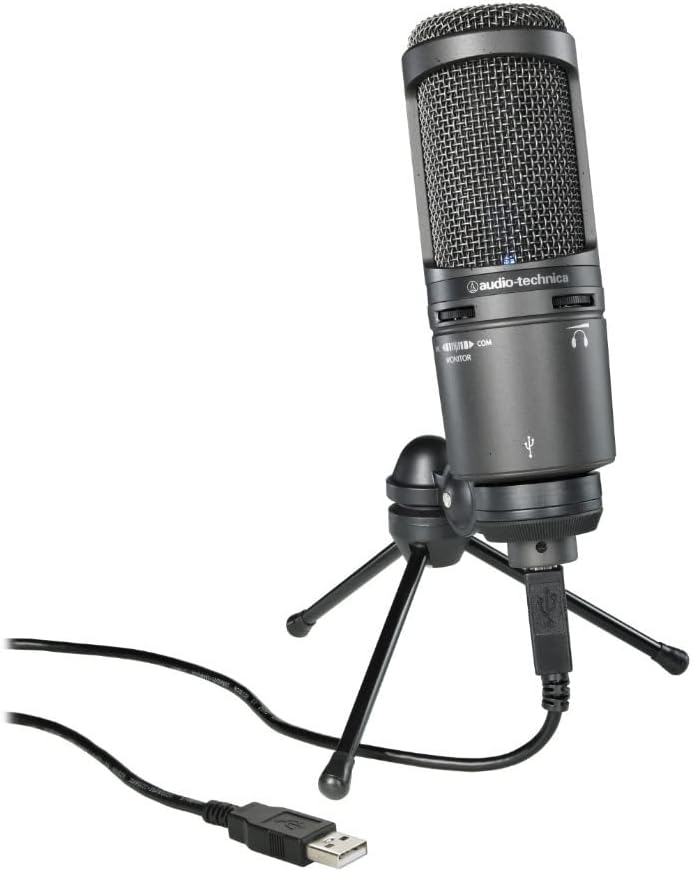
The AT2020USB+ puts the familiar side-address studio-microphone format into a direct USB design. Its cardioid pickup pattern is intended for a source in front of the microphone, making it a natural fit for one person speaking, singing or recording an instrument. Speak into the side marked by the USB symbol and blue indicator, rather than the top of the grille.
The strongest feature is the headphone monitoring. A 3.5mm output lets the performer hear the microphone directly, while the mix control balances that live signal against playback from the computer. It is particularly useful when recording a voice or instrument over an existing track, where a delayed software-monitoring signal can be distracting.
The other dial controls headphone volume, not the level being recorded. Set recording gain in the computer or recording software, then use the headphone controls to make listening comfortable. The USB+ records at 16-bit resolution with 44.1 or 48kHz sample rates, and includes a small tripod stand and pivot mount for a basic desktop setup.
This is an appealing choice when direct monitoring and a simple single-pattern microphone are the priorities. Its compact desk stand keeps the setup uncomplicated, but it is not a shockmount and may leave the mic farther from the mouth than a boom arm would. There is also no dedicated hardware mute button, so streaming software or another mute control needs to handle that job.
Pros
- Direct headphone output with a microphone/computer mix control
- Cardioid side-address design for a single speaker or instrument
- Tripod stand and pivot mount for a simple desk setup
Cons
- Recording level is set in software rather than with a dedicated gain dial
- No dedicated hardware mute button
Blue Yeti USB Microphone (Editor’s Choice)
The classic Yeti earns its place through useful controls rather than a complicated setup. Three condenser capsules provide cardioid, bidirectional, omnidirectional and stereo modes, making it more adaptable than a fixed-pattern USB microphone. Cardioid is the sensible starting point for one streamer; the other patterns serve different recording arrangements.
An interview with two people facing each other can use the front-and-rear bidirectional pattern, while omni captures sound around the mic and stereo preserves a left/right image. Those options are useful for changing projects, but they do not replace good positioning or separate microphones where independent recording tracks are needed.
Gain, mute, headphone level and pattern selection are all available on the microphone. The headphone output provides direct monitoring, so the speaker can hear the microphone without waiting for the signal to travel through recording software. The supplied stand pivots for positioning, and the standard mounting thread provides another route with a suitably rated stand or arm.
The Yeti remains the overall choice for a desk that handles streaming, voice recording and occasional interviews. Its controls and pattern choices make it versatile, but the large microphone and stand occupy more space than the Meteor below. Use the correct side of the capsule, keep the mic reasonably close and select cardioid for a solo stream rather than expecting the mic to remove a noisy room on its own.
Pros
- Four pickup patterns for different recording arrangements
- Physical gain, mute and headphone-level controls
- Direct headphone monitoring and a standard stand mount
Cons
- Large microphone and desk stand take up space
- Multiple patterns require choosing the right mode for the job
Blue Snowball USB Microphone
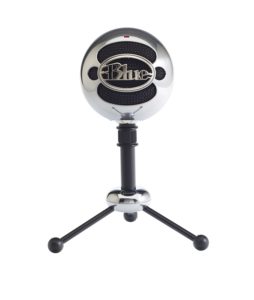
The original Snowball keeps USB recording approachable with a recognizable ball-shaped body and a small adjustable stand. It is the two-capsule Snowball, rather than the simpler Snowball iCE. That distinction matters because this model has a three-position switch that changes how the microphone behaves.
Position one is cardioid for a source in front of the microphone. Position two keeps cardioid pickup and adds a −10dB pad for louder sources. Position three switches to omnidirectional pickup for sound around the microphone. There are two polar patterns here, with three operating settings; the pad reduces level rather than adding another direction of pickup.
The Snowball records at 16-bit/44.1kHz and connects directly to the computer over USB. Its simple controls suit someone who wants to choose a mode and adjust the recording level in software. It does not provide the built-in headphone monitoring, mute button or physical gain dial offered by the Yeti, so those parts of the setup need to be handled elsewhere.
The appeal is a straightforward microphone that can handle a solo voice or switch to a wider pickup pattern when the recording calls for it. The spherical head is not especially tiny, and an omni setting will include more of the room. For one speaker at a desk, cardioid and careful positioning are more useful than treating every available mode as an upgrade.
Pros
- Cardioid and omnidirectional pickup options
- Separate −10dB pad setting for louder sources
- Adjustable desktop stand and simple USB connection
Cons
- No built-in headphone-monitoring output or mute button
- Omnidirectional mode captures more of the room
Samson Meteor USB Microphone
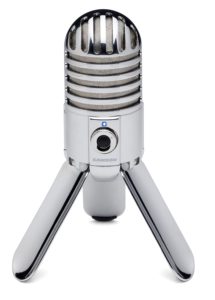
The Meteor is the compact, self-contained option in this group. Its chrome body and integrated folding legs make it easy to set on a desk, adjust the angle and pack away without carrying a separate desktop stand. Inside is a 25mm condenser capsule with a cardioid pattern, designed for a source in front of the microphone.
A rear 3.5mm headphone socket provides direct monitoring, with a headphone-volume control on the front. Pressing the microphone mute button silences the mic, and the indicator changes state to show power, mute or an overloaded signal. Those practical controls are useful when the mic is being used for calls as well as recorded content.
The fold-out legs are not the only mounting option: a standard 5/8-inch thread allows attachment to a microphone stand. Recording gain is controlled through the computer, while the physical volume control sets the headphone level. The Meteor records at 16-bit resolution with 44.1 or 48kHz sample rates.
Choose the Meteor for a small desk or a setup that gets packed away regularly. The folding base is convenient, but a low desktop position can put the microphone farther from the speaker and closer to keyboard vibration. A separate stand remains useful when positioning matters more than keeping the kit in one piece.
Pros
- Integrated folding legs and a compact body
- Direct headphone monitoring with a physical mute control
- Standard 5/8-inch mount for a separate stand
Cons
- Low desktop position may need adjusting for the speaker
- Microphone gain is controlled through the computer
CAD U37 USB Microphone
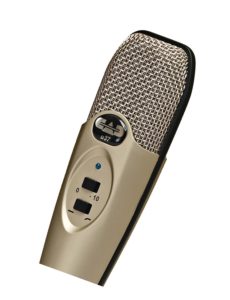
The U37 is a straightforward side-address USB condenser microphone with two useful switches on the front. Its cardioid design suits a single voice or instrument, and the CAD-logo side faces the source. The layout is easy to understand without a display or a complicated control panel.
The first switch applies a −10dB pad, reducing sensitivity for louder sources. That gives another option when a loud voice or instrument is overloading the input. The second switch reduces low-frequency pickup, which can help with rumble or an overly bass-heavy close recording. It is a bass filter, not a system that selectively removes distant conversations or keyboard clicks.
Connect the microphone to the computer, select it as the recording input and set the level in the operating system or recording application. The manual also discusses microphone boost and automatic-gain options that can affect level on some systems. A quick test recording is more useful than assuming the same software settings suit a quiet voice and a loud instrument.
The U37 is appealing when simple USB recording and the two physical tone/level options are enough. Its limitation is the absence of the direct headphone-monitoring controls found on the AT2020USB+, Yeti and Meteor. For a basic voice setup with computer-based monitoring, the pad and bass switch are useful, understandable tools.
Pros
- Physical −10dB pad for louder sources
- Bass-reduction switch for low-frequency rumble
- Straightforward side-address USB design
Cons
- No direct headphone-monitoring controls
- Recording level and monitoring depend on the computer setup
How to Pick the Best Mic for Streaming on Twitch or YouTube
Sound Quality
Clear speech and a sensible recording level are the starting points for good sound quality. Put a cardioid microphone close enough that the voice dominates the room, face the correct side toward the speaker and check a recording while speaking at the level used on stream. A pop filter and a slight change of angle can help with strong breath sounds. No microphone guarantees a clean result from every distance or room.
Size
Consider the complete setup, including the stand, cable and space between the microphone and keyboard. A small microphone at the far edge of the desk may be less useful than a larger one correctly placed on an arm. If the kit travels or is packed away after use, the Meteor’s folding base is a practical advantage.
Sensitivity
Microphone sensitivity is an electrical specification, not a simple measure of how much background noise a mic will hear. Pickup pattern, distance, room acoustics and gain all affect the recording. Use cardioid for a single speaker, reduce unnecessary room noise and set the input so that the loudest normal speech does not overload it.
Durability and Accessibility
Physical gain and mute controls are convenient during a live stream, while direct headphone monitoring makes it easier to hear the microphone without software delay. Distinguish headphone volume from recording level: changing how loud the mic sounds in headphones does not necessarily change the recorded signal. Check the ports and software requirements of an older USB model before relying on optional effects or a particular connection cable.
Mic Stand
A desktop stand is a useful starting point, but it can transmit knocks and place the microphone too low. A suitable boom arm can bring the mic closer without putting it between the hands and keyboard. Match the mounting thread and the arm’s weight capacity to the microphone; a shockmount addresses mechanical vibration, not all airborne noise. The guides to AT2020 microphone stands and Blue Yeti and Snowball stands cover those mounting options.
So, What’s the Best USB Microphone for Streaming?
The Blue Yeti remains the overall pick for its combination of pickup patterns, gain control, mute and direct monitoring. The AT2020USB+ is particularly useful when balancing live monitoring with computer playback, the Snowball offers simple pattern and pad choices, the Meteor packs its stand into a compact body, and the U37 provides straightforward pad and bass-reduction switches. Choose the controls that solve a real recording need, then give the microphone a good position.