The best guitar amps under $300 should make practicing enjoyable without forcing you to buy a pile of extra equipment. This shortlist covers flexible modelers, a simple valve combo and straightforward practice amps, with the differences that matter when you plug in.

Start with the sounds and connections you will actually use: headphone practice, recording, built-in effects or the response of a small tube amp. Prices and availability change, so compare the exact model against your budget. Wattage alone will not tell you how loud or satisfying an amp will be in your room.
Best Guitar Amps Under $300 — Comparison Table
| Image | Model | Wattage | Price |
|---|---|---|---|
| Fender Mustang LT50 (Editor's Choice) | 50W | Check Price |
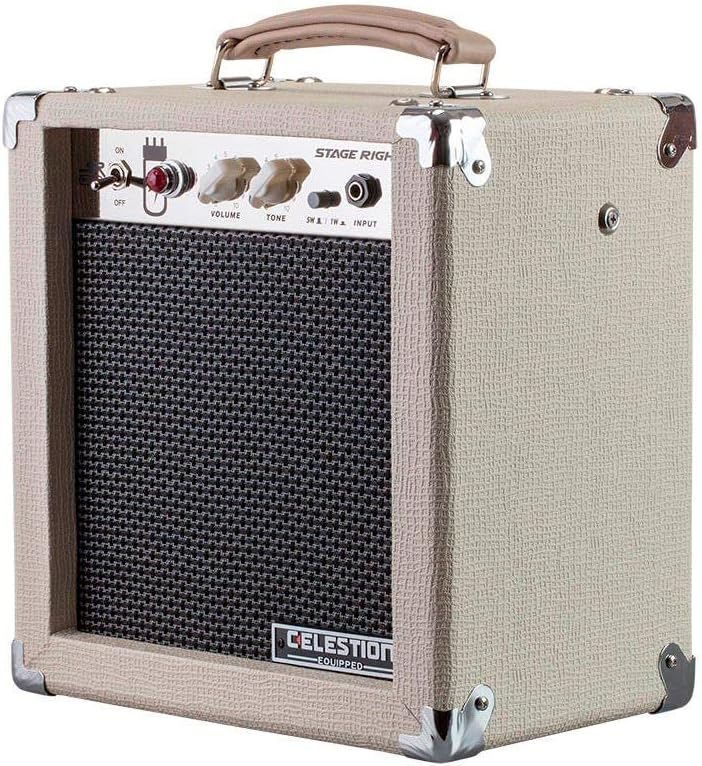 | Monoprice Stage Right 5W Tube Combo | 5W / 1W | Check Price |
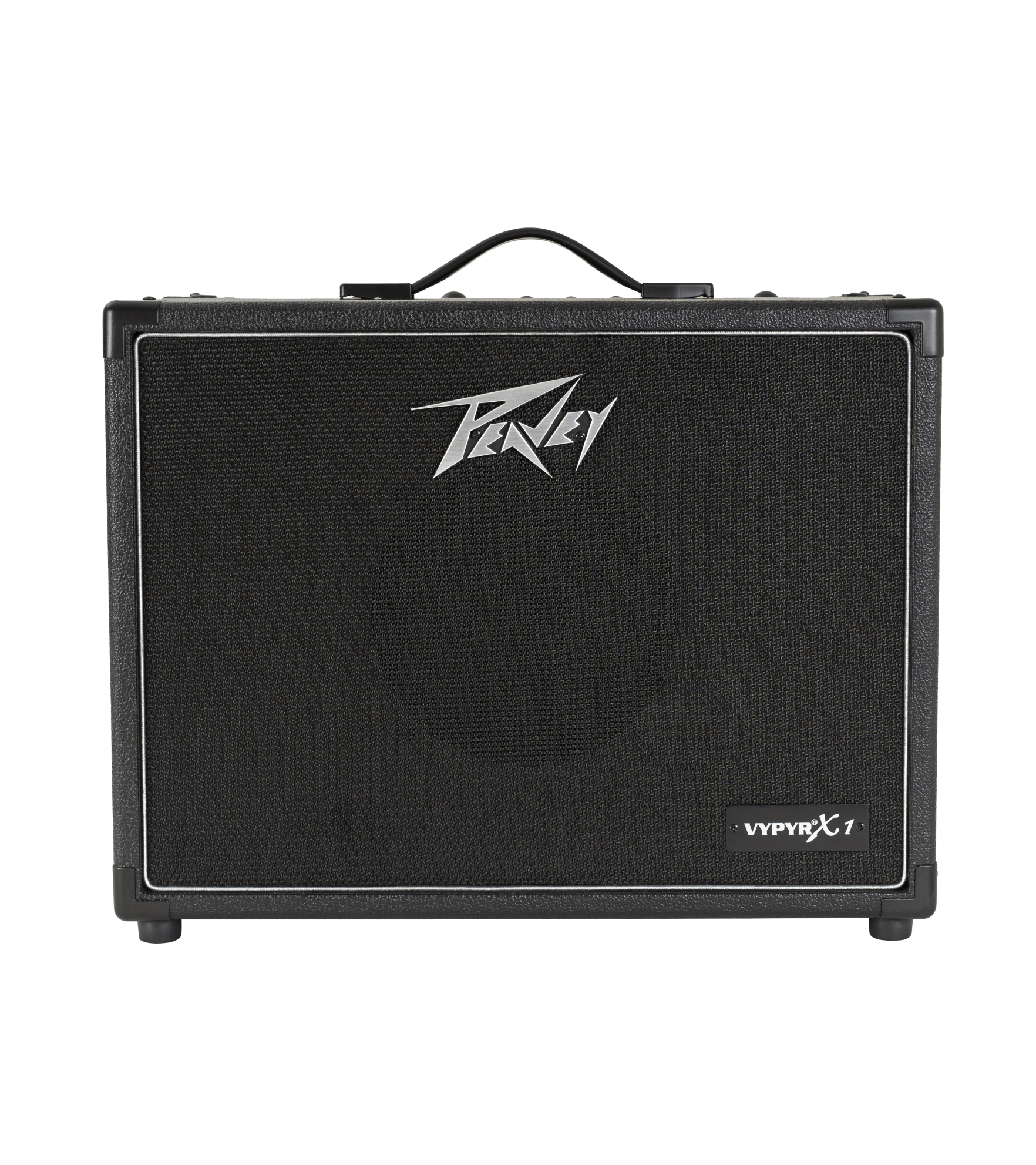 | Peavey VYPYR X1 | 30W | Check Details |
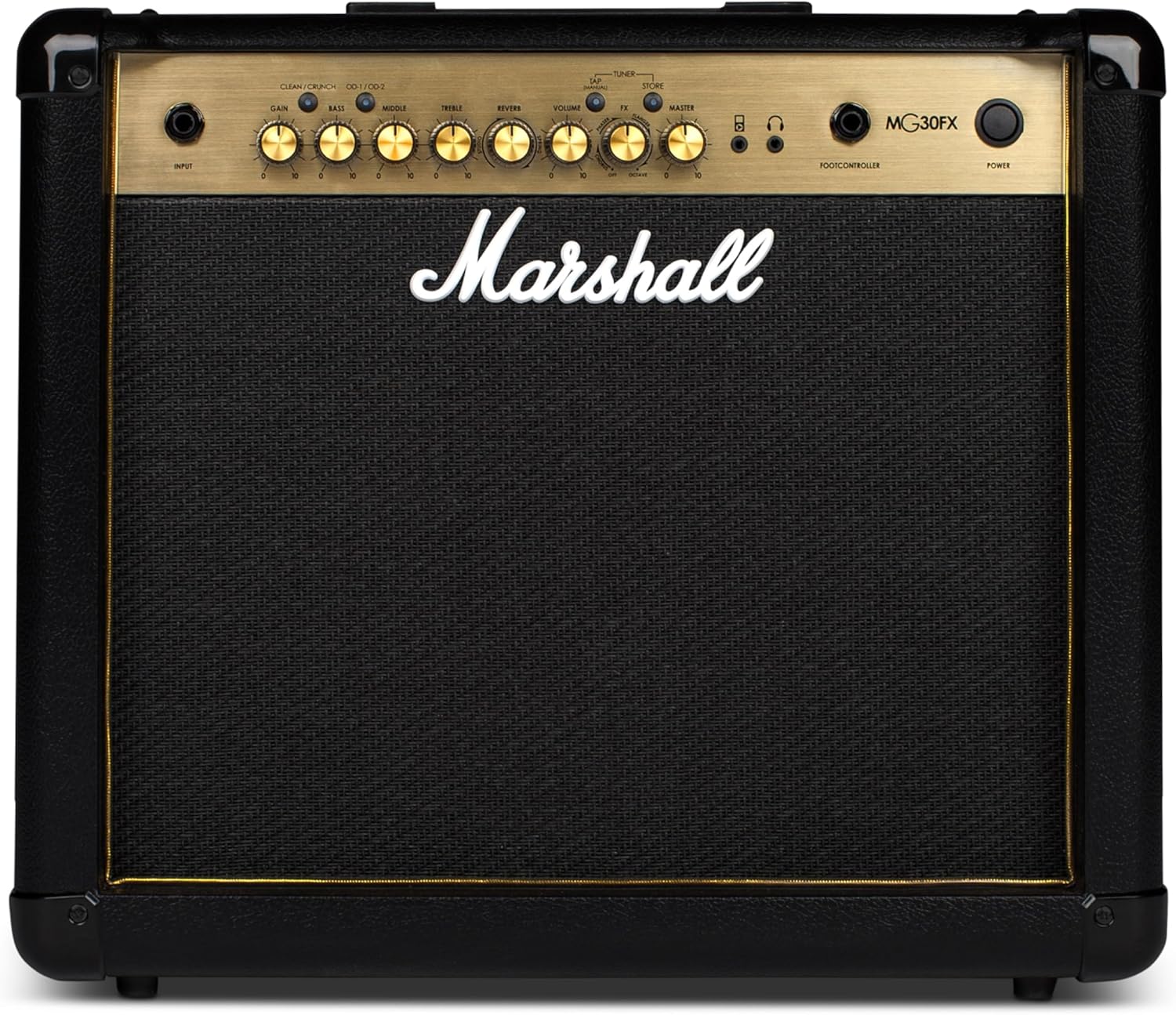 | Marshall MG30GFX | 30W | Check Price |
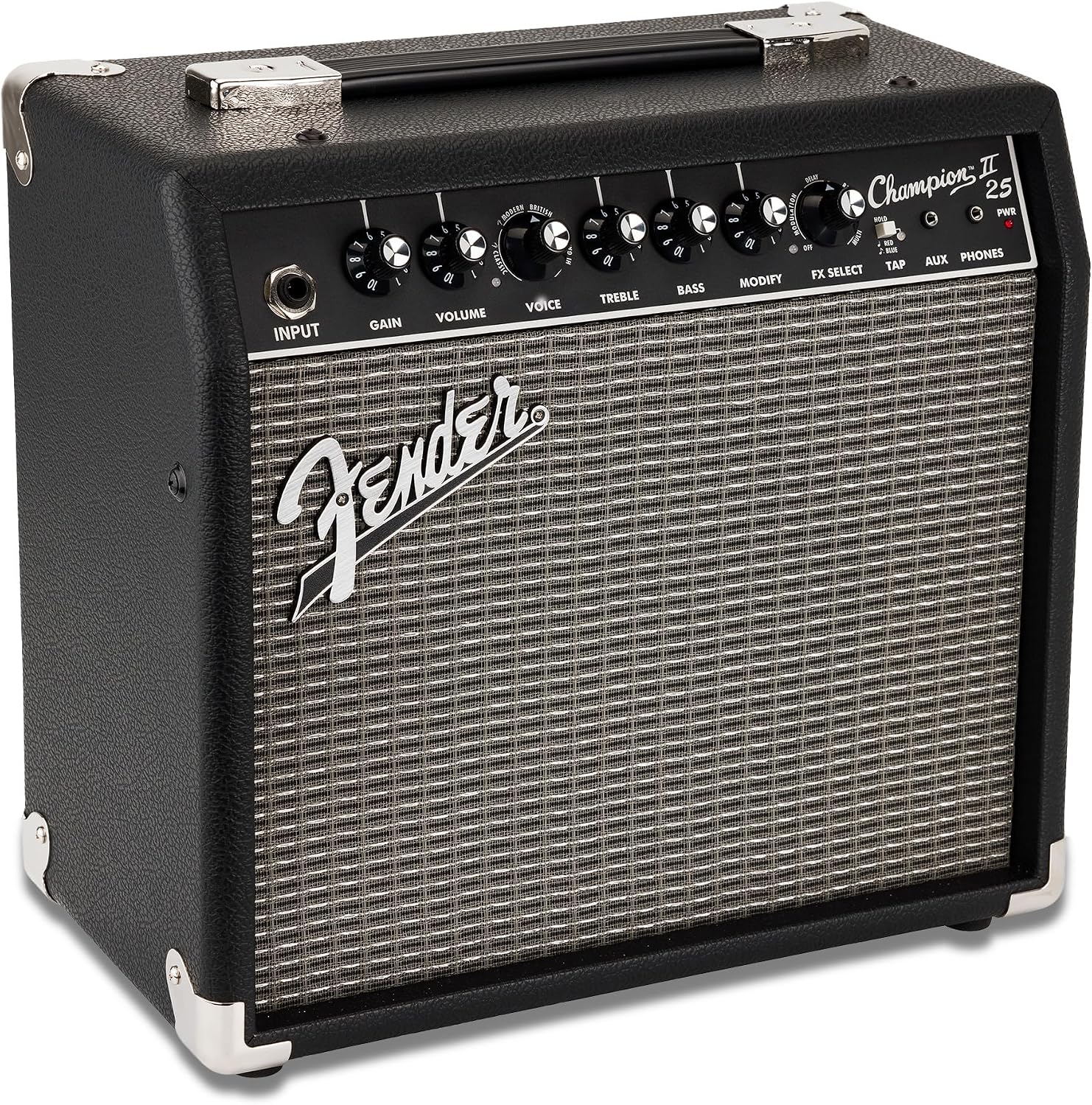 | Fender Champion II 25 | 25W | Check Price |
 | Bugera BC15 | 15W | Check Price |
Fender Mustang LT50 (Editor’s Choice)
The LT50 is the strongest all-round choice here for a guitarist who wants a broad range of sounds without assembling a pedalboard. A 50-watt power section and 12-inch Fender Special Design speaker give it a more substantial combo format than the smallest practice amps, while a master volume keeps everyday use manageable.
Its 20 amp models cover different clean and driven starting points, and the onboard effects let you build complete practice sounds. There are 60 preset locations, with 30 factory sounds ready to explore. The small color screen makes choosing and editing a preset less cryptic than remembering knob combinations.
The USB connection is a genuine practical advantage for recording to a computer and using Fender Tone Desktop. Headphone output and an auxiliary input also make it useful for quiet practice with backing tracks. These are wired connections: the LT50 does not update itself over Wi-Fi or pair with the mobile Tone app over Bluetooth.
The trade-off is learning the preset workflow. Players who prefer two or three knobs may find a simpler combo more immediate, and a 50-watt rating does not promise enough clean volume for every drummer or venue. For a varied home setup, though, its sounds and connections form a particularly useful package.
Pros
- Broad amp-model and effects selection
- USB recording and Fender Tone Desktop support
- 12-inch speaker, headphone output and auxiliary input
Cons
- Preset editing takes some familiarity
- No Wi-Fi or Bluetooth; stage volume depends on the setup
Monoprice Stage Right 5W Tube Combo
The Stage Right 611705 takes the opposite approach to a feature-heavy modeler: one small all-tube combo, a volume knob and a tone knob. A 12AX7 preamp valve and 6V6GT output valve feed an 8-inch Celestion Super 8 speaker, giving it a deliberately focused signal path.
The 5W/1W switch is its most useful control beyond the two knobs. Reducing the output setting makes it easier to explore the amp’s driven response at a lower level, although even one watt through a guitar speaker can be surprisingly loud in a quiet room.
With so little circuitry to navigate, it encourages changes at the guitar: pickup selection, pick attack and the guitar’s volume control become part of shaping the result. It is a good fit for someone who wants that uncomplicated interaction rather than a library of presets and effects.
The limitation is versatility. There is no onboard reverb, headphone output or USB recording interface, and the small speaker is not intended to replace a large clean stage rig. Choose it for a simple valve-amp experience, then allow for a microphone or other suitable recording setup if recording is important.
Pros
- 12AX7/6V6GT all-tube design
- Switchable 5W and 1W output settings
- Simple controls and an 8-inch Celestion speaker
Cons
- No onboard reverb or headphone practice output
- Less flexibility and clean headroom than a larger combo
Peavey VYPYR X1
The VYPYR X1 is the useful choice for a player who moves between electric, acoustic and bass guitar. Its variable-instrument input changes the input behavior for the selected instrument type, rather than treating every source as an electric guitar pushed through the same preset.
Peavey specifies 36 amp models, including acoustic and bass models, alongside instrument simulations and effects. The 30-watt combo pairs those sounds with an 8-inch speaker. It is a compact way to explore different instruments and styles, without suggesting that a small combo becomes a full-size bass rig.
The front-panel controls and LED indicators are an appealing part of the design: sounds can be adjusted at the amp instead of requiring a phone for routine editing. TransTube provides analog distortion within the modeling architecture, while preset storage lets you return to useful combinations.
The trade-off is a busier interface and the cost of expanding its controls. The onboard looper requires an optional Sanpera foot controller. It suits an experimental practice setup, but a player interested only in a clean guitar sound may prefer the more direct Champion controls.
Pros
- Electric, acoustic and bass-oriented settings
- Amp models and effects accessible from the front panel
- Preset storage and TransTube distortion
Cons
- More controls to learn than a basic practice amp
- Looper operation requires an optional foot controller
Marshall MG30GFX
The MG30GFX brings the familiar Marshall control layout into a 30-watt solid-state combo with a 10-inch speaker. It is a sensible choice for a player who wants clean, crunch and overdrive sounds available directly at the panel, without working through a large modeling menu.
Its four channel modes cover clean, crunch, OD1 and OD2, with storage and recall for preferred settings. The three-band EQ gives more direct shaping than a single tone control, so changes to bass weight, midrange presence and brightness are easy to make while playing.
Digital effects add reverb and modulation or delay choices without filling the floor with pedals. The auxiliary input and emulated headphone output also make it a practical home companion, while the master volume separates overall listening level from the sound settings.
The limitation is the scope of the onboard sounds. It offers a more focused set of options than the LT50, and its small combo format is not the same as a valve Marshall stack. Choose it for accessible controls and a useful spread of gain sounds, rather than expecting a software studio inside the amp.
Pros
- Four stored channel modes
- Direct three-band EQ and master volume
- Built-in effects, auxiliary input and headphone output
Cons
- Fewer modeling options than the LT50
- Solid-state combo, not an all-tube Marshall
Fender Champion II 25
The Champion II 25 is a friendly starting point for a guitarist who wants useful sounds without learning a preset system. Its 25-watt output and 8-inch Fender Special Design speaker sit in a compact cabinet, with gain, volume and tone controls kept close at hand.
The Voice selector provides different clean and driven flavors, including American, British and modern directions. That makes it more adaptable than a single-voice practice box while keeping the process immediate: turn a knob, play a phrase and adjust from there.
Built-in reverb, delay and modulation effects add variety for practice. The auxiliary input is useful for playing along with music, and the headphone connection keeps late sessions from involving the whole household. It is a straightforward way to have the essentials available without extra pedals.
The compromise is depth of control. It does not offer the LT50’s full preset-editing workflow, and the smaller speaker and cabinet have their own limits at rehearsal volume. Choose the Champion for a compact, uncomplicated practice setup rather than a substitute for a larger stage amp.
Pros
- Immediate voice and tone controls
- Built-in effects and compact 8-inch combo format
- Auxiliary input and headphone practice
Cons
- Less detailed sound editing than the LT50
- Small cabinet is better suited to practice than loud rehearsals
Bugera BC15
The BC15 is an older hybrid design with a useful distinction: a 12AX7 valve in the preamp, paired with a solid-state power section. It is not a 15-watt all-tube amplifier, but it offers a compact route to a valve-equipped preamp without the layout of a larger combo.
The gain switch provides a more driven option, while gain and master-volume controls separate the amount of preamp drive from the listening level. Bass and treble controls keep adjustment simple, and the 8-inch speaker fits the amp’s small practice-oriented format.
A headphone jack and playback input are useful for home sessions. The panel stays focused on the basic guitar sound rather than amp models, stored presets or a phone app. That simplicity is appealing when the goal is to plug in and work on a part without configuring a software setup.
The limitation is the modest feature set. There is no built-in reverb or USB recording interface, and the small speaker is not an appropriate substitute for a bass-guitar rig. Choose it for its compact hybrid character and direct controls, with realistic expectations about volume and flexibility.
Pros
- 12AX7 preamp with gain and master-volume control
- Simple two-band EQ
- Headphone connection and playback input
Cons
- Hybrid construction rather than an all-tube signal path
- No onboard reverb or USB recording interface
What to Look For in the Best Guitar Amp Under $300
Choose around the music and the way the amp will be used. A few useful sounds, comfortable controls and the right practice connections can matter more than a long feature list. When possible, compare amps with your own guitar and at a realistic listening level.
Tube, Solid-State and Hybrid Amplifiers
Tube Amplifiers
A small tube amp can be rewarding when the interaction between the guitar and amplifier is part of the appeal. Output level, available clean headroom and speaker behavior still matter. Tubes eventually need servicing or replacement, but there is no universal replacement interval that applies to every player.
Solid-State and Modeling Amplifiers
Solid-state amps avoid routine valve replacement. A modeling design adds different amp voices and effects, often with preset storage and recording connections. Compare how easily the controls deliver a useful sound; more models do not automatically make one amp better for the player.
Hybrid Amplifiers
Hybrid designs combine tube and solid-state stages. The BC15 places a tube in the preamp; that does not turn its power section into a valve amplifier. Peavey’s TransTube circuitry is analog distortion technology, not a claim that the VYPYR contains a tube.
Wattage Rating
Watts describe output power, not a fixed volume or venue size. Speaker sensitivity, cabinet design, the amount of clean headroom needed and the rest of the band all affect what an amp can do. A low-power tube amp can still be loud at home, while a small practice combo may struggle to stay clean beside a loud drummer.
For home use, prioritize a controllable master volume, headphones or an effective reduced-power setting. For rehearsals and gigs, consider whether the amp will be miked through a PA rather than buying on wattage alone.
The Best Guitar Amps Under $300: Final Thoughts
The Mustang LT50 remains the overall recommendation for its flexible sounds, 12-inch speaker and useful recording and practice connections. Stage Right suits a simpler all-tube approach, while the VYPYR is worth considering for a multi-instrument practice setup.
Marshall offers direct access to a range of gain sounds, the Champion keeps everyday practice uncomplicated, and the BC15 provides a compact hybrid alternative. Choose the features you will actually use and compare the current model against the available budget.