Looking for the best microphone for Canon T5i? Start with what you film: a camera-mounted shotgun is convenient for following the action, while a lavalier keeps the microphone close to a speaker. The T5i has a 3.5mm external microphone input, so an appropriate external mic can improve speech capture without replacing the camera.

These four options cover a versatile shotgun kit, a wireless lavalier system and two wired lapel microphones. Placement matters as much as the mic itself: keeping it near the subject usually helps more than leaving it on a distant camera. Choose the format that suits the shot, with the correct camera connection and power source.
The 4 Best Mics for Canon T5i
| Image | Model | Price |
|---|---|---|
| The Imaging World XM-55 Microphone Kit (Editor's Choice) | Check Price |
 | Movo WM5C | Check Price |
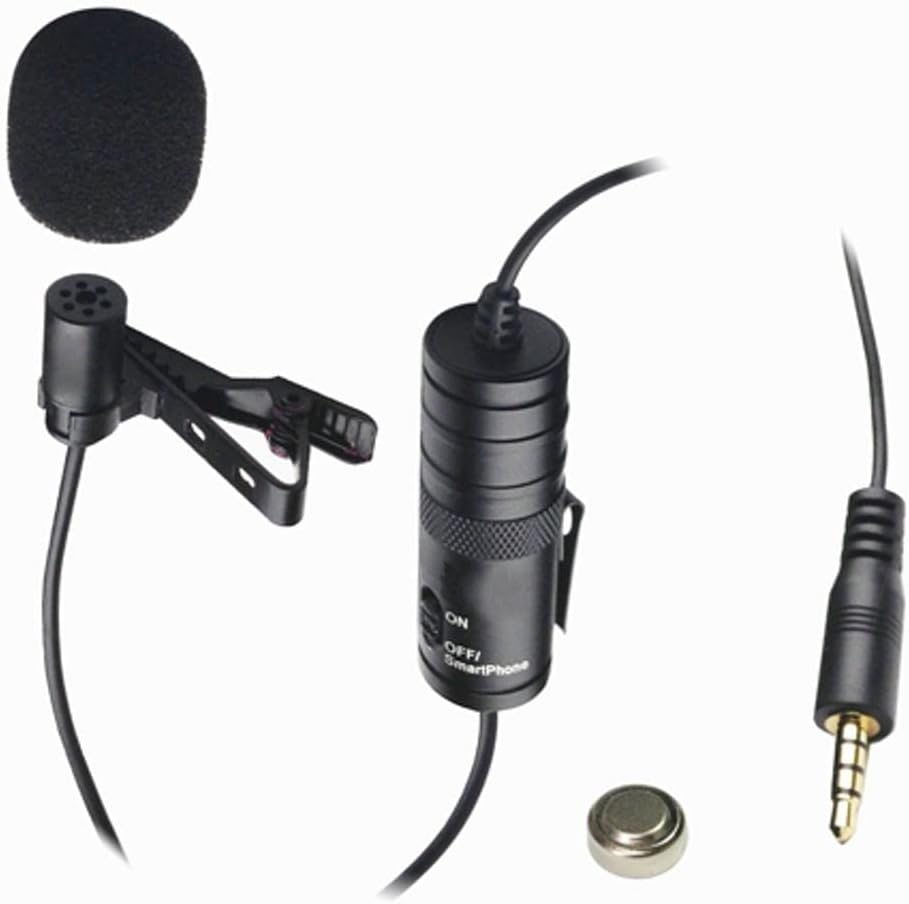 | Vidpro XM-L | Check Price |
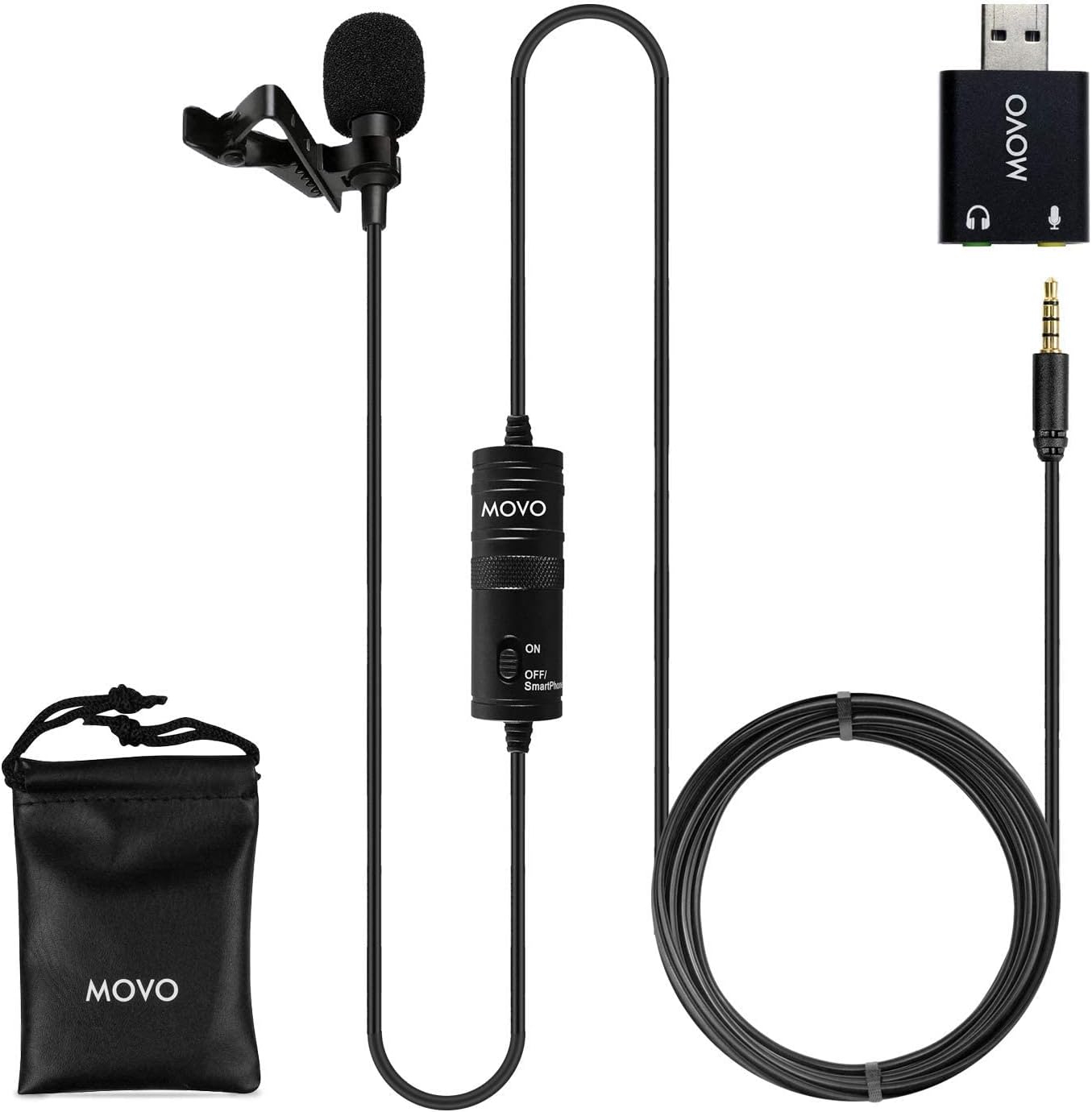 | Movo LV1-USB | Check Price |
The Imaging World XM-55 Microphone Kit (Editor’s Choice)
This kit is the most versatile starting point in the group for someone who wants to try both camera-mounted and off-camera recording. At its center is the Vidpro XM-55, a long shotgun microphone with an aluminum-alloy body. The included shock mount, hand grip and mounting adapters make it more flexible than a microphone supplied with only a shoe clip.
Its directional pickup favors sound in front of the microphone, useful for interviews and dialogue when it is aimed carefully and kept reasonably close. A short XLR-to-3.5mm cable connects it to the camera, while longer cabling supports an off-camera setup. Foam and furry wind protection are included. The microphone runs from an AA battery, so it does not depend on the T5i supplying phantom power.
The size is the compromise: at about 10.8 inches long, it is more cumbersome on a small DSLR than a compact on-camera mic. A shotgun also does not make a distant voice sound close or remove every room reflection. Choose this kit for its mounting flexibility and practical accessories, with time spent on placement rather than an expectation of automatic studio-quality sound.
Pros
- Shotgun microphone with a useful range of mounting accessories.
- Battery operation and a camera connection cable.
- Foam and furry wind protection included.
Cons
- Long microphone can feel bulky on a small DSLR.
- Directional pickup still requires careful positioning.
Movo WM5C
The WM5C suits an interview or presentation where a cable running from the speaker to the camera would get in the way. Its lavalier clips to clothing, the transmitter travels with the subject, and the receiver connects to the camera. Keeping the capsule near the voice is its main advantage over relying on a mic mounted several feet away.
The system uses 2.4GHz transmission and a 3.5mm audio connection. Movo specifies a maximum range of 50 meters under suitable conditions, not a guaranteed distance through walls or crowds. Each unit needs two AAA batteries; the stated operating time is around 3.5 to 4 hours. That makes spare batteries and a short recording check sensible parts of the setup.
This is a single-speaker wireless system, not a two-person kit with separate transmitters. Nearby radio traffic, obstructions and clothing noise can still affect a take. Choose it when freedom of movement is worth managing batteries and wireless reception; a wired lavalier is simpler for a seated subject who will stay in one place.
Pros
- Wireless connection frees the subject from a camera tether.
- Clip-on lavalier and camera-mountable receiver.
- Replaceable AAA batteries in both units.
Cons
- One transmitter; not a dual-speaker system.
- Wireless conditions and relatively short battery life need attention.
Vidpro XM-L
The XM-L is a straightforward wired lavalier for a seated interview, tutorial or piece to camera. Its small capsule clips near the speaker rather than sitting on top of the DSLR, helping keep the voice present as the camera moves farther away. The inline power module keeps the battery and switch accessible without adding a separate recorder.
A 20-foot cable gives useful working distance without a radio transmitter or receiver. The electret condenser capsule has an omnidirectional pattern, which is forgiving of modest head movement but also admits surrounding sound. A lapel clip, foam windscreen and LR44 battery are included, with a powered inline module for camera use. Set that module to its on position for the camera, rather than the off/smartphone setting.
The long cable is both the appeal and the limitation: it needs routing so it does not snag, pull on the camera or rub against clothing. The windscreen helps with light air movement but is not a cure for strong outdoor wind. Choose the XM-L for simple, close speech recording where a wired connection is easy to manage.
Pros
- Small clip-on microphone with a 20-foot cable.
- No wireless pairing or radio link to manage.
- Battery-powered camera mode and included foam windscreen.
Cons
- Long cable can snag or transmit handling noise.
- Omnidirectional capsule also picks up the surrounding environment.
Movo LV1-USB
The LV1-USB is a useful choice when the same lavalier will serve a camera and a computer. Despite the USB in its name, the microphone has an analog 3.5mm connection as well as an included USB adapter. For the T5i, use the camera connection; the USB adapter is for a compatible computer, not the DSLR’s USB port.
The omnidirectional clip-on capsule and 20-foot cable suit speech from a subject who stays within a defined area. Its inline module uses an LR44 battery, and Movo specifies On/Camera mode for camera recording. The extra computer connection makes it convenient for voiceovers or calls after filming, without requiring a second microphone.
It does not provide the freedom of a wireless kit, and its small capsule will not reject every background sound. Clothing contact and an untidy cable can spoil a clear voice just as easily as poor microphone placement. Choose it for a flexible camera-and-computer workflow, rather than for isolation in a loud room or unrestricted movement.
Pros
- Analog camera connection plus a USB adapter for computer use.
- 20-foot cable and compact clip-on capsule.
- Camera/smartphone mode switch.
Cons
- Long cable restricts movement and needs careful routing.
- Omnidirectional pickup offers limited background isolation.
How to Choose the Right Mic for a Digital Camera
Shotgun or Lavalier?
A shotgun is a directional microphone, not a separate opposite category. It is useful when the subject stays in front of the camera or the mic can be positioned overhead on a boom. A lavalier clips close to the speaker and is often more practical for interviews and tutorials. Neither format removes all background noise: distance, direction and the room remain important.
Mounting and Cable Management
A shock mount helps reduce vibration reaching a camera-mounted mic. For a lavalier, keep the capsule clear of hair, jewelry and loose clothing. Route cables with enough slack for natural movement, without leaving a loop where someone can trip. Off-camera placement can improve speech capture, but it also needs a secure mount and a suitable cable.
Connections and Power
Canon’s T5i microphone guidance confirms a 3.5mm external microphone input and support for suitable plug-in-powered or battery-powered condenser microphones. That is different from 48V phantom power for an XLR microphone. A plug adapter alone does not supply phantom power. Use the specified camera mode and connection cable, then record and play back a short test.
Sound Quality and Recording Levels
Move the microphone closer before trying to fix everything with extra gain. Keep loud speech from clipping, and listen for clothing rustle, wind and room reflections. Frequency-response figures can describe a microphone’s bandwidth, but they do not establish how clear a voice will sound in your particular room. A quiet position and consistent mouth-to-mic distance make a useful starting point.
Spend on the Right Format
Pay for the features the shoot needs: mounting flexibility, wireless movement or a simple wired connection. If comparing another DSLR, the Canon 70D microphone guide covers a similar camera-recording workflow.
So, Which Is the Best Mic for Canon T5i?
The Imaging World XM-55 kit remains the overall choice here for its useful mix of mounting options, wind protection and off-camera flexibility. The WM5C suits a moving speaker, the XM-L keeps a wired setup simple, and the LV1-USB adds computer connectivity. Choose around the shot and the subject: a well-placed modest microphone is often more useful than a more elaborate one left too far away.